KEY HEADLINES & INSIGHTS –JULY 2026
Bank of Ghana Holds Policy Rate at 14.0% Amid Inflation Risks
The BoG kept the Monetary Policy Rate unchanged at 14.0% in July 2026, citing renewed external inflationary pressures, higher energy prices, and a slight rise in domestic inflation. The Bank maintained that inflation remained within its target range, while stronger economic activity, fiscal consolidation, and improved external balances supported its decision to leave rates unchanged.
Ghana Mid-Year Budget Review: Fiscal Consolidation Continues
The 2026 Mid-Year Budget Review reaffirmed Ghana’s commitment to fiscal consolidation, with key targets of 4.8% GDP growth, 8% ±2% inflation, and a 1.5% primary surplus. The government highlighted improved fiscal discipline, stronger external balances, and ongoing reforms to support exchange rate stability, debt sustainability, and economic recovery.
African markets in July were influenced by cocoa supply concerns as adverse weather and crop diseases in Ghana and Côte d’Ivoire raised expectations of lower production. Currency performance was mixed, with the Ghanaian cedi and Zambian kwacha weakening, while some East African currencies remained stable. Investors continued to focus on inflation trends and central bank policy decisions across the continent.
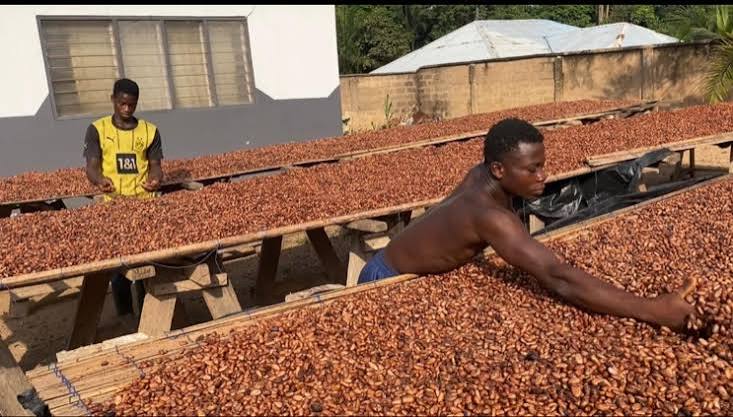
COCOBOD projects that Ghana's cocoa production will decline by at least 16% in the 2026/27 season due to adverse weather, the cocoa tree's natural low-yield cycle, swollen shoot disease, ageing farms, and the expansion of illegal mining (galamsey). The production outlook is particularly weak in the Western and Western North regions, which account for more than half of Ghana's cocoa output. In response, COCOBOD has intensified farm rehabilitation, expanded pest and disease control measures, and reinstated the free fertilizer distribution programme to mitigate the expected decline.
Global markets in July were driven by geopolitical tensions and changing interest rate expectations. Oil prices rose sharply due to supply concerns, while gold remained strong on safe-haven demand and expectations of lower rates. Global equities stayed resilient, although a stronger US dollar pressured emerging-market currencies.
PRIMARY DEBT MARKET ISSUANCE
Yields recorded mixed movements during the final auction of July. Treasury bill yields showed mixed movements in the final July auction, with the 364-day bill rising to 12.97% as investors sought higher returns on longer maturities. The 91-day bill increased slightly, while the 182-day bill eased marginally, indicating generally stable market conditions. The mixed yield movements suggest that pricing conditions remained broadly stable during the period, with investors requiring a slightly higher premium for longer-term maturities while maintaining steady demand for shorter-dated Treasury bills.
| Security | Current (%) | Previous (%) | Bbps |
|---|---|---|---|
| 91-Day Bill | 5.7881 | 5.7329 | 5.52 |
| 182-Day Bill | 7.6890 | 7.6933 | -0.43 |
| 364-Day Bill | 12.9670 | 12.8218 | 14.52 |
GHANA FIXED INCOME SECONDARY MARKET
Ghana’s fixed‑income market remained active in July, with total traded volume reaching GHS 31.79 billion across 52,315 transactions. Treasury bills continued to dominate market activity, accounting for GHS 16.80 billion in traded volume (52.84% of the total) across 51,470 trades, underscoring sustained investor preference for short-term government securities. DDEP bonds followed with GHS 14.03 billion in traded volume, representing 44.13% of the market, while activity in corporate bonds, repo transactions, and other government notes and bonds remained comparatively subdued.
Figure 1: Month-end Volume Chart
Figure 2: Month-end Yield Curve
Source (s): Ghana Fixed Income Market
GHANA STOCK EXCHANGE MARKET
Trading activity on the Ghana Stock Exchange remained strong in July, with 100.37 million shares traded at a total value of GH₵683.54 million. The Telecommunications sector led trading by volume, driven by continued investor interest in MTN Ghana, while the financial sector recorded the highest traded value. Overall, market activity remained concentrated in large-
cap, highly liquid equities, with other sectors accounting for a relatively small share of total trading. Market conditions in July were broadly upbeat, with gains in the GSE-CI and market capitalization, while the FSI declined marginally. (see Figure 3).
Figure 3:GSE Market Performance Indicators
Source (s): Ghana Stock Exchange
Equity performance was mixed in July, with IIL (+366.7%), HORDS (+254.5%), and CLYD (+61.0%) emerging as the month's top gainers, while ALLGH (-24.7%), ETI (-15.0%), and ZEN (-9.0%) recorded the largest declines. Overall, gains were concentrated in a few counters, with relatively modest price movements across the broader market (see Figure 4).
Figure 4: Top Monthly Gainers and Laggards
Figure 5: EQUITY MONTH MOST TRADED STOCKS
| Share Code | Total Value | Last Price |
|---|---|---|
| MTNGH | 282,379,270 | 7.14 |
| KASA | 37,751,508 | 2.00 |
| ACCESS | 278,184,784 | 31.90 |
| IIL | 6,569,653 | 0.84 |
| CAL | 6,522,138 | 0.79 |
| ETI | 4,799,249 | 1.93 |
| HORDS | 306,351 | 0.39 |
| SIC | 4,271,908 | 5.74 |
| GCB | 26,812,422 | 43.20 |
| GOIL | 3,224,841 | 7.96 |
Source (s): Ghana Stock Exchange
COMMODITY MARKET
The commodity complex posted broad gains in July, led by a sharp rebound in energy prices. Brent crude oil rose 22.1% month-on-month, increasing from US$72.92/bbl at the end of June to US$89.03/bbl by end-July. The rally was driven by renewed geopolitical tensions in the Middle East, which reintroduced a risk premium into global oil markets and heightened concerns over potential supply disruptions. Although Ghana is a crude oil producer, it remains a net importer of refined petroleum products; consequently, sustained higher crude oil prices could increase domestic fuel costs, transportation expenses, and inflationary pressures. The Bank of Ghana also highlighted geopolitical developments and higher energy prices as key external risks to the inflation outlook.
Gold prices continued their upward trend, rising 1.9% during the month to US$4,100.1/oz from US$4,022.9/oz in June. The precious metal remained supported by continued central bank demand, expectations of lower global interest rates, and robust investor interest. For Ghana, elevated gold prices continued to underpin the country's external position. According to Bank of Ghana data, gold exports reached US$12.5 billion in the first half of 2026, accounting for more than two-thirds of total export earnings and contributing significantly to a record trade surplus and stronger international reserves.
Cocoa prices increased by 2.2% in July to US$5,112/MT, supported by ongoing concerns over lower West African production due to adverse weather and crop disease, particularly in Ghana. COCOBOD's lower production outlook for the 2026/27 season reinforced expectations of tighter global supplies.
Overall, higher gold and cocoa prices continued to support Ghana's export earnings and foreign exchange inflows, strengthening the country's external position. However, the sharp rise in Brent crude oil prices increased the risk of higher fuel import costs and imported inflation, which could partly offset these gains if elevated oil prices persist.
Figure 6: Commodity Market Dashboard
Source (s): Yahoo Finance
EXCHANGE RATE MARKET
The cedi weakened across the major currencies in July, depreciating by 3.5% against the US dollar, 5.2% against the British pound, and 4.5% against the euro. The depreciation reflected stronger demand for foreign exchange and some reversal of earlier gains. While the cedi remained stronger on a year-to-date basis, the weaker exchange rate could increase import costs, particularly for fuel, and pose upside risks to inflation in Ghana.
Figure 7: FX Market Price Movements
Source (s): Bank of Ghana
OUTLOOK
Ghana’s macroeconomic outlook for August 2026 and beyond remains cautiously favourable, supported by strong external buffers, improved fiscal conditions, and sustained commodity export earnings. Continued gold inflows and cocoa receipts are expected to support exchange rate stability and reserve accumulation, while risks from higher oil prices, inflation pressures, and foreign exchange demand remain key factors to monitor. The outlook will largely depend on continued policy discipline and the resilience of global commodity markets.